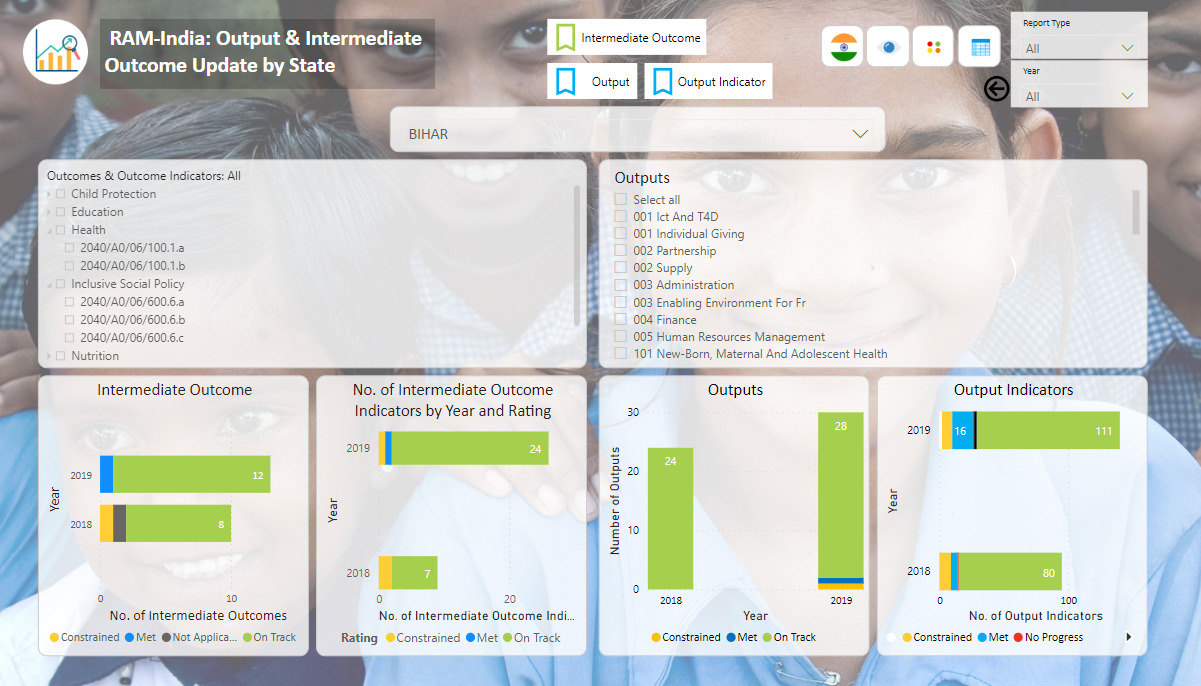
Data Analysis and Visualization Dashboard for Cox’s Bazar Rohingya Response
Download MarkDownThe Challenge
Cox’s Bazar in Bangladesh hosts one of the world’s largest refugee camps, accommodating over 962,000 Rohingya refugees who fled Myanmar in 2017 and 2018. As part of the humanitarian response programme, UNICEF and partners established 18 Information and Feedback Centres (IFCs) — 14 in Rohingya refugee camps and four in host communities (Teknaf, Ukhia, Moheshkhali, and Pekua). These centres serve as a critical bridge between refugees and humanitarian service providers, processing a staggering volume of over 450,000 Complaints, Feedback, and Queries (CFQs) annually, averaging 80,000 per year.
Key challenges included:
– Massive data volumes from IFCs were being collected but not effectively analyzed or visualized for decision-making
– Data quality issues including completeness and accuracy problems needed systematic assessment and remediation
– No real-time dashboard existed to provide stakeholders with intuitive, up-to-date insights into the feedback patterns, service gaps, and emerging needs
– The existing ONA (Open Network Application) data collection tool needed seamless integration with a visualization layer
– Data disaggregation was needed by sector, location, gender, age, intervention type, and other dimensions for targeted humanitarian response
– Both UNICEF internal staff and external humanitarian stakeholders needed appropriate access to the dashboard
– The dashboard needed to work across various devices and screen sizes given the mobile nature of humanitarian work
– Referral pathways for Gender-Based Violence (GBV) and Protection from Sexual Exploitation and Abuse (PSEA) cases needed data-driven monitoring
Velocity’s Solution
Scope of Work
Velocity delivered a comprehensive data analysis, visualization, and real-time dashboard solution that integrated with UNICEF’s existing ONA data collection infrastructure, providing stakeholders with actionable insights for the Rohingya humanitarian response.
Key Features & Deliverables
Data Analysis
– Data Quality Assessment: Systematic evaluation of collected IFC data for quality and completeness
- Data Cleaning & Preprocessing: Transformation of raw data into exportable, analysis-ready formats
- Data Modeling: Exploration of data patterns, trends, and relationships using statistical techniques for selected indicators, including:
- Trend analysis across temporal dimensions
- Data aggregation and disaggregation by sector, location, gender, age, and intervention type
- Pattern identification for proactive humanitarian response
Power BI Dashboard Development
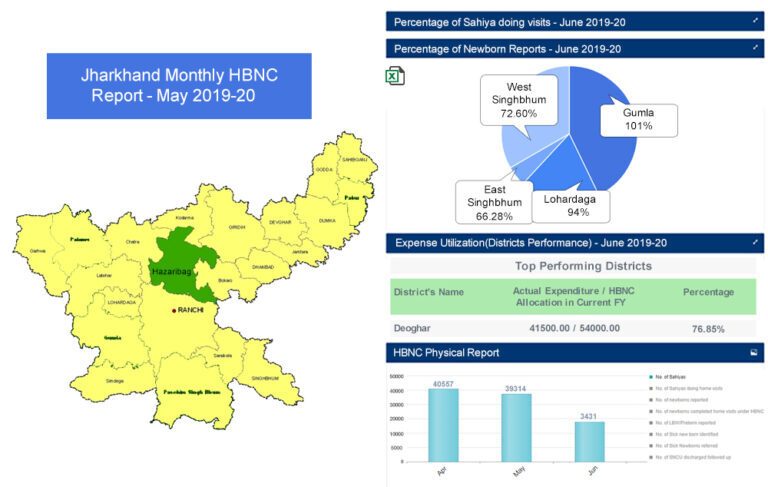
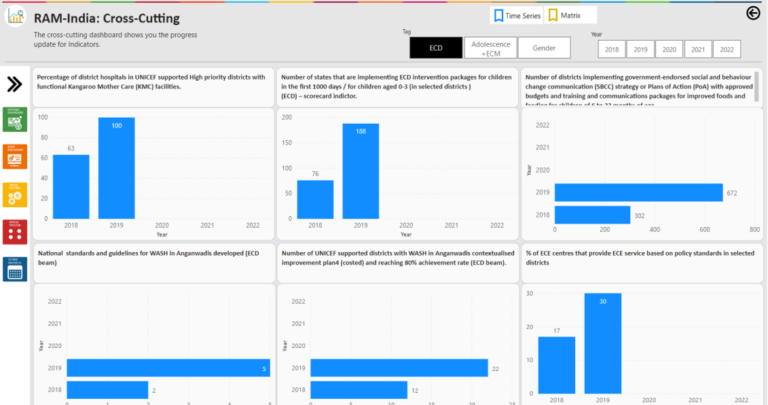
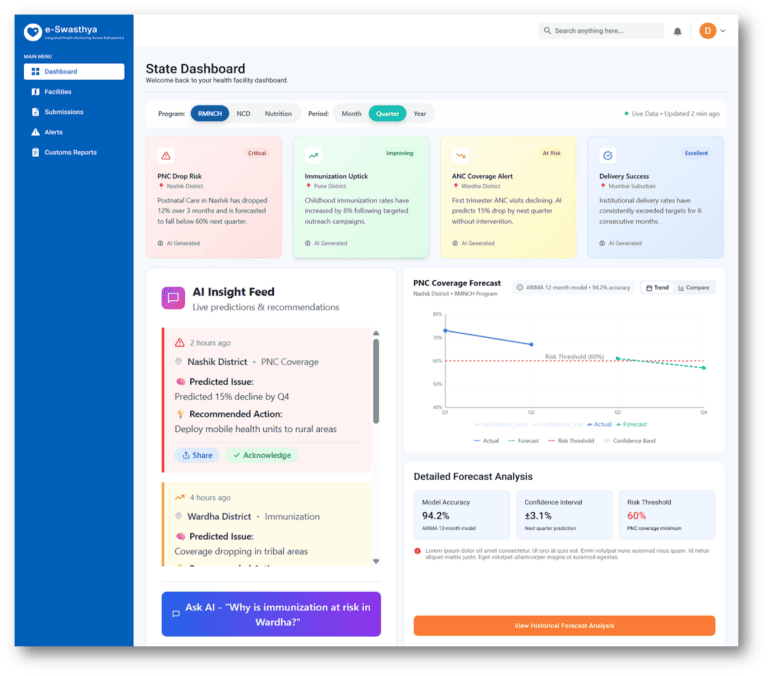
– Real-Time Visualization: Visually compelling, dynamically updated dashboard reflecting the latest collected data
- Data Visualization Design: Goal-oriented visual element selection presenting analyzed data in an intuitive, understandable format
- Intuitive Interface: Dashboard designed to facilitate easy interpretation of data trends and insights by both technical and non-technical stakeholders
- Interactive Filters & Drill-Down: Advanced data filtering and drill-down functionalities enabling in-depth analysis by sector, location, time period, demographics, and intervention type
- Cross-Device Responsiveness: Dashboard optimized for different screen sizes including desktop, tablet, and mobile devices
- Real-Time Data Updates: Automatic reflection of new data as it is collected in the field
Data Integration
– ONA-Power BI Integration: Seamless connection between the ONA data collection tool and the Power BI dashboard ensuring data flows automatically
- Data Validation: Ensuring data analysis and visualization components accurately represent selected indicators
- Cross-Platform Compatibility: Dashboard functionality verified across various devices and browsers
- Access Management: Appropriate access provisioning for UNICEF staff in Cox’s Bazar and external stakeholders
Training & Documentation
– User Training: Training sessions for SBC (Social and Behavior Change) and PMR (Programme Monitoring & Reporting) Information Management Officers on dashboard usage and interpretation
– Comprehensive Documentation: Technical documentation covering data analysis methodology, visualization design, real-time dashboard architecture, and access matrix
– Users Guide: Step-by-step guide for interpreting and navigating the dashboard
Technology Stack
- Data Visualization: Microsoft Power BI
- Data Collection: ONA (Open Network Application) platform
- Integration: API-based connection between ONA and Power BI for real-time data flow
- Frontend: HTML, CSS, JavaScript for dashboard embedding and customization
- Backend: Data storage, retrieval, and security infrastructure
- Data Processing: Statistical analysis and data modeling tools
Implementation Approach
The project was delivered in an intensive 45-day timeline through three concurrent phases:
Task 1: Data Analysis & Visualization (20 days – 40% payment)
– Assessment of collected IFC data quality and completeness
– Data cleaning, preprocessing, and transformation into exportable formats
– Data modeling using statistical techniques for selected indicators
– Trend analysis and disaggregation by sector, location, gender, age, and intervention type
– Deliverable: Inception report with data assessment, documentation of cleaning/preprocessing process, and data visualization document
Task 2: Database Setup & ONA Integration (20 days – included in Task 1 payment)
– Setting up and integrating the backend database with ONA data collection forms
– Ensuring data flow pipeline from field collection to analysis layer
– Deliverable: Functional data pipeline documentation
Task 3: Real-Time Dashboard Construction & Training (25 days – 60% payment)
– Construction of the Power BI real-time dashboard connected to the database
– Implementation of interactive filters, drill-down capabilities, and responsive design
– User training for SBC/PMR Information Management Officers
– Deliverable: Dynamic published real-time dashboard and users guide
Regular weekly progress meetings were conducted with the SBC team, ICT/T4D team, and UNICEF focal persons throughout the engagement.
Key Outcomes & Impact
- Actionable Humanitarian Insights: Transformed 450,000+ annual CFQs from raw data into actionable intelligence for humanitarian programme management
- Real-Time Situational Awareness: Provided UNICEF staff and humanitarian stakeholders with up-to-the-minute visibility into refugee feedback patterns, service gaps, and emerging needs
- Data-Driven Response Optimization: Enabled disaggregated analysis by sector, location, gender, age, and intervention type, allowing targeted resource allocation and programme adjustment
- Enhanced Accountability: Strengthened UNICEF’s Accountability to Affected Populations (AAP) framework by making refugee feedback data transparent and actionable
- Improved Data Quality: Systematic data cleaning and preprocessing improved the reliability of the entire IFC data ecosystem
- Stakeholder Accessibility: Cross-device responsive dashboard ensured humanitarian workers could access insights in the field, in offices, and on mobile devices
- Capacity Building: Training of UNICEF Information Management Officers created sustainable internal capacity to interpret and act on dashboard insights
- Crisis Response Support: The system supported UNICEF’s capacity to respond effectively to the complex and dynamic Rohingya crisis, including cyclones, fires, disease outbreaks, GBV, and PSEA concerns
Why Velocity
Velocity was selected from UNICEF’s LTA (Long-Term Agreement) holders based on:
- Power BI and ONA Proficiency: Demonstrated expertise in Power BI dashboard development and ONA platform integration
- Data Visualization Expertise: Proven capability in designing intuitive, responsive real-time dashboards for complex data environments
- API Integration Skills: Strong technical capability in connecting disparate data systems through API-based integration
- Backend Development Expertise: Robust data storage, retrieval, and security capabilities essential for humanitarian data protection
- Data Protection Compliance: Understanding of and compliance with data protection regulations critical for refugee data management
- Software Development Maturity: Over 10 years of software development experience with established project management capabilities
- Rapid Delivery Capability: Demonstrated ability to deliver high-quality solutions within compressed timelines (45 days)
- UN Agency Track Record: Established relationship with UNICEF as an LTA holder with proven delivery across multiple country offices