COVID-19 WASH Response GPS Tracking Application
Download MarkDownThe Challenge
The scale and complexity of the HBCC WASH Response programme presented significant operational challenges:
- Vast Geographic Coverage: The programme operated across 6 states, 18 districts, 34 blocks, and 1,166 villages, making manual field monitoring virtually impossible.
- Real-Time Tracking of Seven Key Indicators: AKF needed to track seven critical WASH indicators in real time: hygiene outreach sessions, access to handwashing facilities, ECD (Early Childhood Development) handwashing stations, HCF (Health Care Facility) handwashing stations, village-level handwashing stations, soap bank distributions, and IPC (Infection Prevention and Control) training sessions.
- Offline Functionality: Field workers in rural and remote areas frequently operated in zones with limited or no internet connectivity, requiring the application to function fully offline with reliable data synchronization.
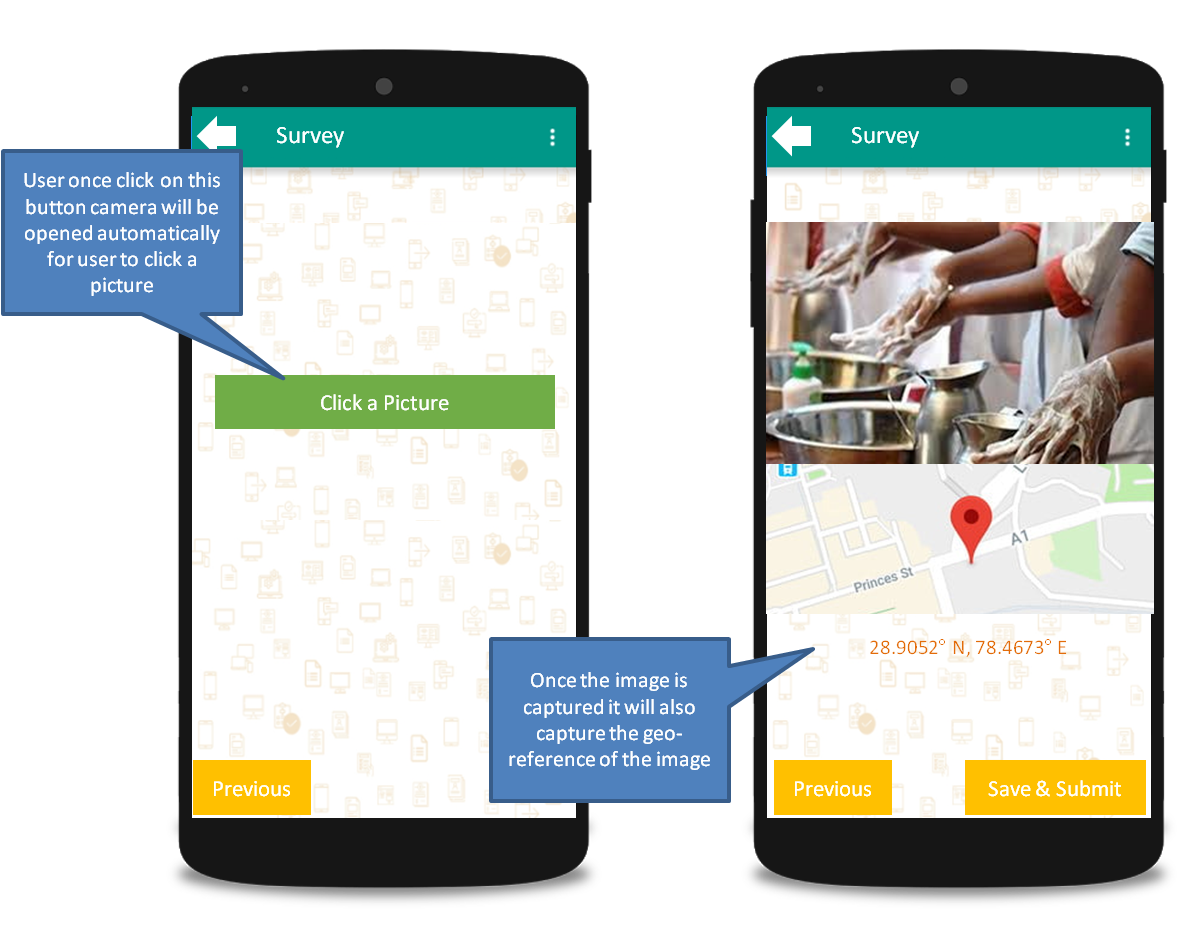
- GPS-Based Verification: To ensure data integrity and prevent reporting fraud, the solution needed GPS-based location verification of field activities, photo uploads as proof of delivery, and timestamped activity logs.
- Multilingual Interface: Field teams operated in multiple regional languages across six states, necessitating a multilingual mobile interface.
- Centralized Dashboard for Decision-Making: Programme managers and donors required a centralized web-based dashboard with real-time analytics, geographic visualizations, and exportable reports for monitoring, evaluation, and donor reporting.
Velocity’s Solution
Velocity Software Solutions developed an integrated GPS-enabled Mobile Tracking Application paired with a Web-Based Monitoring Dashboard that provided end-to-end visibility into the WASH intervention delivery across all programme geographies.
Scope of Work
- Android mobile application development with offline-first architecture
- GPS-based activity tracking and location verification
- Photo upload and timestamped evidence capture
- Multilingual mobile interface supporting regional languages across 6 states
- Web-based administrative and monitoring dashboard
- Real-time data synchronization and analytics engine
- Role-based access for field workers, supervisors, district managers, and central programme teams
- 8-month consultancy engagement covering design, development, deployment, and support
Key Features & Deliverables
- GPS-Enabled Activity Tracking: Every field activity was geotagged with GPS coordinates, enabling precise location verification of hygiene outreach sessions, handwashing station installations, soap bank distributions, and IPC training events.
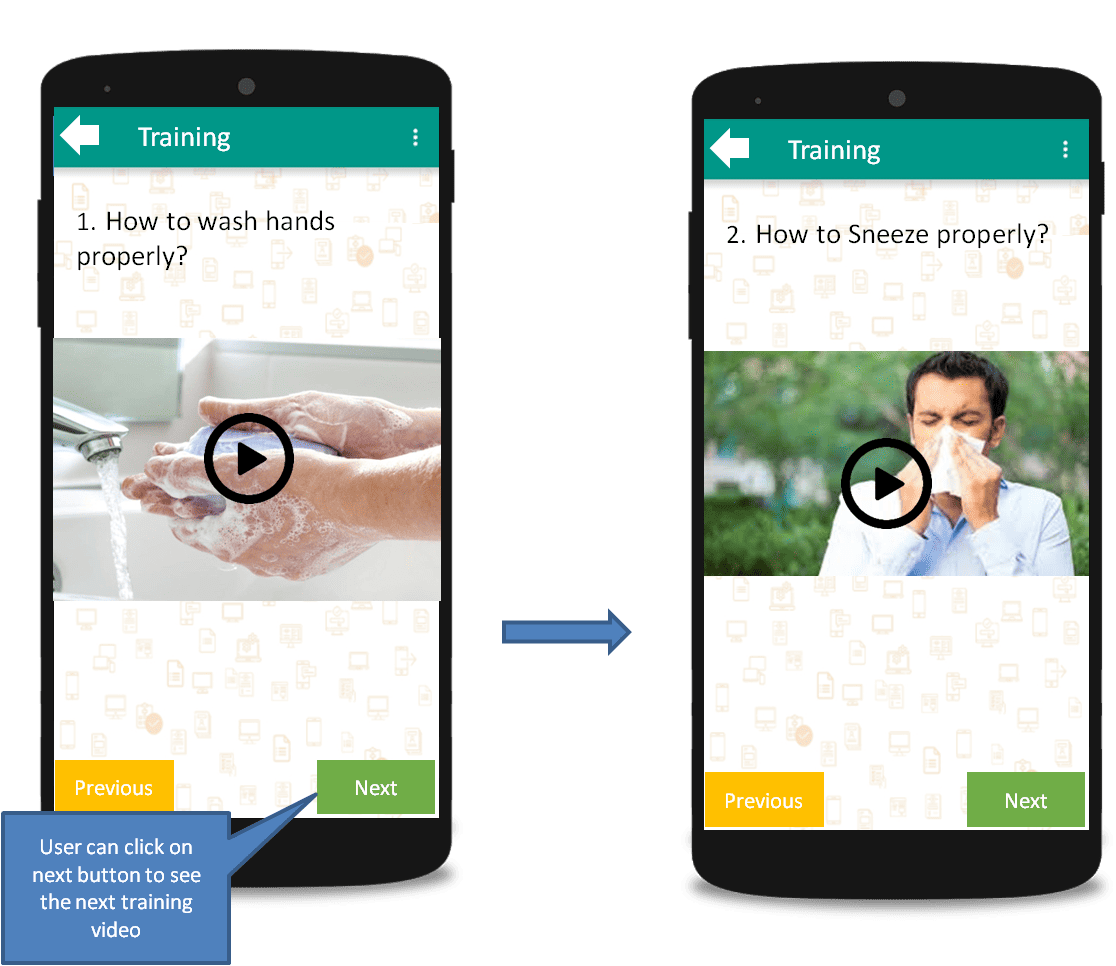
- Seven-Indicator Monitoring System: Purpose-built data capture forms for all seven key WASH indicators, with validation rules, dropdown selections, and contextual guidance for field workers.
- Offline-First Architecture: The mobile application was designed to function entirely offline, with intelligent data queuing and automatic synchronization when connectivity was restored, ensuring zero data loss in remote field areas.
- Photo Upload & Evidence Capture: Field workers could capture and upload geotagged photographs as proof of activity delivery, linked to specific indicator records and GPS coordinates.
- Multilingual Mobile Interface: The application supported multiple Indian regional languages, ensuring usability for field teams across all six programme states.
- Web-Based Monitoring Dashboard: A centralized dashboard for programme managers with real-time analytics including geographic heat maps of activity coverage, indicator-wise progress tracking, district and block-level drill-downs, and trend analysis.
- Automated Reporting Engine: Built-in report generation for donor reporting, programme reviews, and management decision-making, with export capabilities in multiple formats.
- Role-Based Access Control: Differentiated access levels for field workers, block supervisors, district coordinators, state programme managers, and central AKF teams.
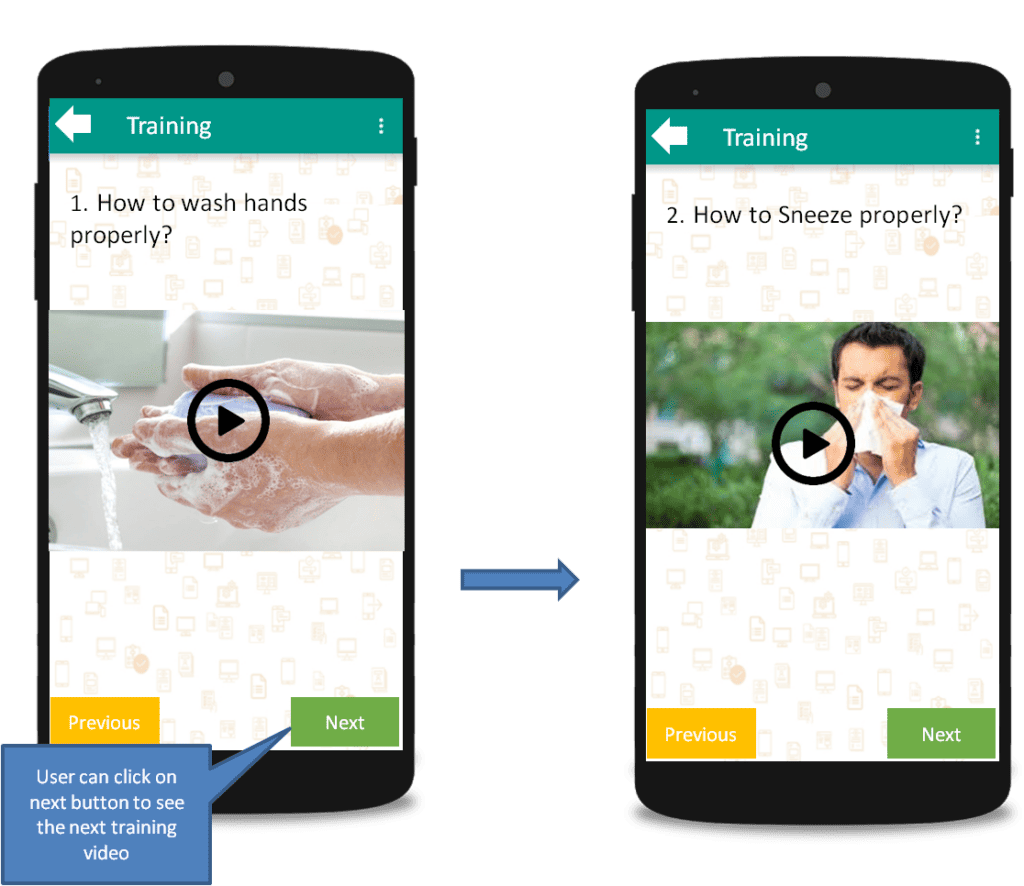
Technology Stack
- Mobile: Native Android application with SQLite for offline data storage
- Backend: Scalable server-side architecture with RESTful APIs
- Database: Relational database with geospatial data support
- Dashboard: Web-based responsive dashboard with data visualization libraries
- Maps & GPS: Google Maps API integration for geospatial visualization
- Cloud: Cloud-hosted infrastructure with automated backups and disaster recovery
Implementation Approach
Velocity followed a phased implementation approach aligned with the 8-month consultancy timeline:
- Requirements Analysis & Design (Month 1): In-depth consultations with AKF programme teams, field coordinators, and M&E specialists. Mapping of all seven WASH indicators, user roles, workflow requirements, and offline scenarios. UI/UX design with multilingual wireframes.
- Core Mobile App Development (Months 2-3): Development of the Android application with offline-first architecture, GPS tracking, photo capture, and data entry forms for all seven indicators. Multilingual interface implementation.
- Dashboard & Analytics Development (Months 3-4): Development of the web-based monitoring dashboard with geographic visualizations, indicator-level analytics, and automated reporting modules.
- Integration & Testing (Month 5): End-to-end integration testing, offline synchronization testing, GPS accuracy validation, and user acceptance testing with field teams across multiple states.
- Pilot Deployment & Training (Month 6): Phased rollout beginning with select districts, accompanied by field-level training sessions for frontline workers, supervisors, and programme managers.
- Full Deployment & Support (Months 7-8): Complete rollout across all 6 states, 18 districts, 34 blocks, and 1,166 villages. Ongoing technical support, bug fixes, and performance monitoring.
Key Outcomes & Impact
- Real-Time Visibility Across 1,166 Villages: The platform provided AKF India and donors with unprecedented real-time visibility into WASH intervention delivery across all programme geographies, enabling data-driven decision-making.
- Coverage of 306,500+ Households: The tracking system monitored programme activities reaching over 306,500 households and 18.39 lakh population members, ensuring no geography was left behind.
- GPS-Verified Data Integrity: Geotagging and photo evidence eliminated reporting discrepancies and provided verifiable proof of field activity delivery, strengthening donor confidence and programme accountability.
- Seamless Offline Operations: The offline-first architecture ensured that field workers in the most remote villages could capture data without interruption, with automatic synchronization maintaining data currency.
- Accelerated Donor Reporting: The automated reporting engine reduced the time required to generate donor reports from weeks to hours, enabling AKF to meet stringent DFID-Unilever reporting requirements efficiently.
- Improved Programme Management: District and block-level drill-down analytics enabled programme managers to identify coverage gaps, reallocate resources, and course-correct in real time.
- Multi-State Multilingual Deployment: Successful deployment across 6 states with regional language support ensured universal adoption by field teams with varying literacy levels and language preferences.
Why Velocity
Velocity Software Solutions was chosen for this critical public health technology engagement based on our proven track record in developing GPS-enabled mobile solutions for large-scale field programmes in the development sector. Our expertise in offline-first mobile architecture, multilingual interface design, and real-time monitoring dashboards directly addressed AKF India’s requirements. Velocity’s experience working with international development organizations and our understanding of WASH programme workflows ensured that the solution was not merely a technology tool, but a programme management instrument that enhanced accountability, transparency, and impact measurement across one of the largest COVID-19 WASH response initiatives in India.