
Exploring the Upsides and Downsides of Shopify for Your eCommerce Store
Download MarkDown
In today’s fast-growing digital marketplace, launching an online store has become easier than ever. Shopify is one of the most popular eCommerce platforms, widely chosen by entrepreneurs and businesses worldwide.
While Shopify offers many advantages, it also has certain limitations. Before selecting it as your eCommerce solution, it’s important to evaluate both the pros and cons carefully.
Let’s explore the upsides and downsides of using Shopify for your online store.
Upsides of Using Shopify
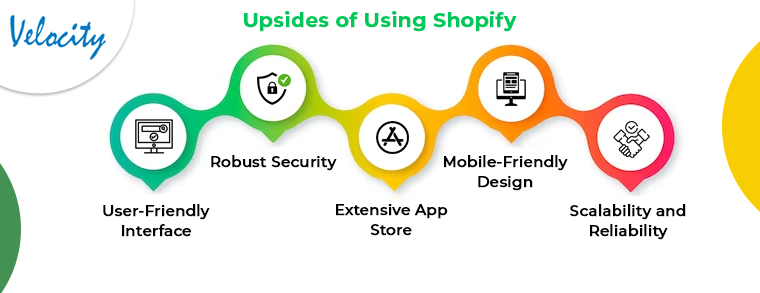
1. User-Friendly Interface
One of Shopify’s strongest advantages is its simplicity. Even users with minimal technical expertise can quickly set up and manage their store.
Key benefits include:
- Easy store setup process
- Drag-and-drop customization
- Simple product management
- Beginner-friendly admin panel
This makes Shopify ideal for startups and small businesses.
2. Robust Security
Security is critical for any eCommerce business. Shopify is a fully hosted platform, meaning it takes care of server maintenance and security updates.
Security features include:
- SSL certification
- PCI DSS compliance
- Data encryption
- Regular security updates
Store owners don’t need to worry about managing technical security protocols.
3. Extensive App Store
Shopify’s App Store offers thousands of apps to extend your store’s functionality.
You can integrate:
- Marketing tools
- SEO optimization apps
- Inventory management systems
- Shipping integrations
- CRM solutions
These apps help enhance customer experience and streamline operations.
4. Mobile-Friendly Design
With mobile commerce growing rapidly, responsive design is essential. Shopify offers professionally designed, mobile-optimized themes.
Benefits include:
- Responsive layouts
- Fast mobile performance
- Smooth mobile checkout
- Improved user experience
Mobile-friendly stores generally experience higher engagement and conversion rates.
5. Scalability and Reliability
Shopify’s infrastructure supports businesses of all sizes.
Whether you’re:
- A startup
- A growing SME
- A large enterprise
Shopify ensures reliable hosting, high uptime, and performance stability – even during peak sales seasons.
Downsides of Using Shopify
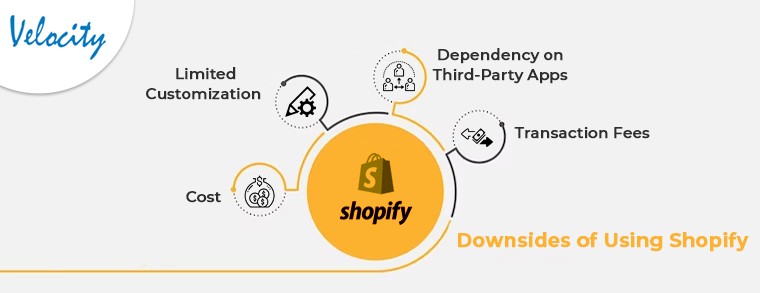
1. Cost
Shopify operates on a subscription model. While plans are flexible, costs can increase due to:
- Monthly subscription fees
- Premium themes
- Paid apps
- Transaction fees
- Custom development
For small businesses with tight budgets, these expenses may add up.
2. Limited Customization
Although Shopify offers multiple themes and templates, customization flexibility is more limited compared to open-source platforms like OpenCart or Magento.
Advanced customization often requires:
- Knowledge of Liquid (Shopify’s templating language)
- Professional developer assistance
This can increase development costs.
3. Dependency on Third-Party Apps
Many advanced features depend on third-party apps.
Potential challenges:
- Additional monthly costs
- Compatibility issues
- App conflicts
- Performance slowdowns
Careful app selection is necessary to maintain store efficiency.
4. Transaction Fees
Shopify charges transaction fees unless you use Shopify Payments. If Shopify Payments is unavailable in your country or unsuitable for your business, extra fees can reduce profit margins.
Conclusion
Shopify is a powerful and user-friendly eCommerce platform offering:
- Strong security
- Easy store management
- Mobile responsiveness
- Extensive app ecosystem
- Reliable scalability
However, it also comes with potential drawbacks such as higher costs, limited deep customization, reliance on third-party apps, and transaction fees.
The right choice depends on your:
- Business size
- Budget
- Customization requirements
- Long-term growth strategy
Carefully evaluating these factors will help you determine whether Shopify is the right fit for your eCommerce business.
If you’d like personalized guidance on choosing the best eCommerce platform for your business, feel free to contact us at [email protected]. Our experts are ready to help you make the best decision for your online store’s success.