Web-Based MIS with Geo-tagging and Mobile Application for Livelihood Projects
Download MarkDownThe Challenge
CARE India, part of the CARE International Confederation working in over 100 countries, was implementing large-scale livelihood projects across three Indian states — Punjab, Gujarat, and Madhya Pradesh. These projects involved extensive household surveying, beneficiary tracking, and intervention monitoring across thousands of villages, requiring a robust digital infrastructure to manage the complexity.
The core challenges included:
- Massive data collection scale: Approximately 50,000 households needed to be screened and baselined (one-time), with 50,000+ implementation forms collected monthly across three states
- No offline-capable mobile solution existed for Community Resource Persons (CRPs) and Village Coordinators working in areas with limited or no internet connectivity
- Multi-language requirements: Data collection had to support Punjabi, Hindi, and Gujarati to serve diverse field teams
- No GIS integration for geo-tagging infrastructure locations, households, and project key locations on interactive maps
- Five distinct user levels — from Admin to Village Coordinators — needed differentiated web and mobile access to forms, dashboards, and reports
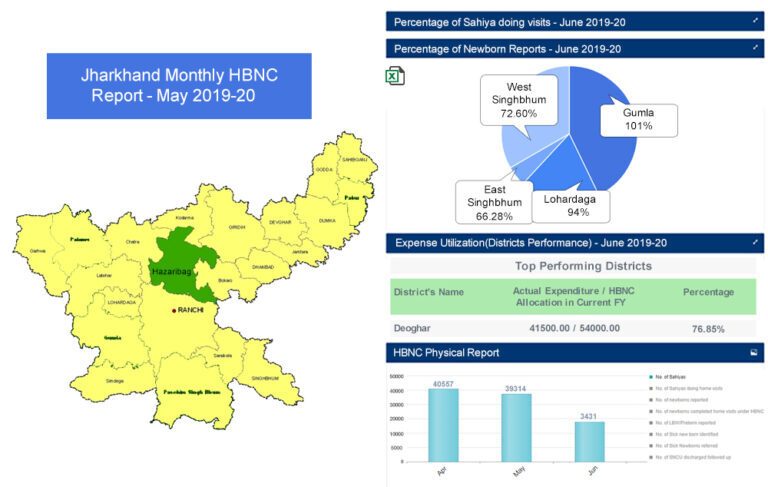
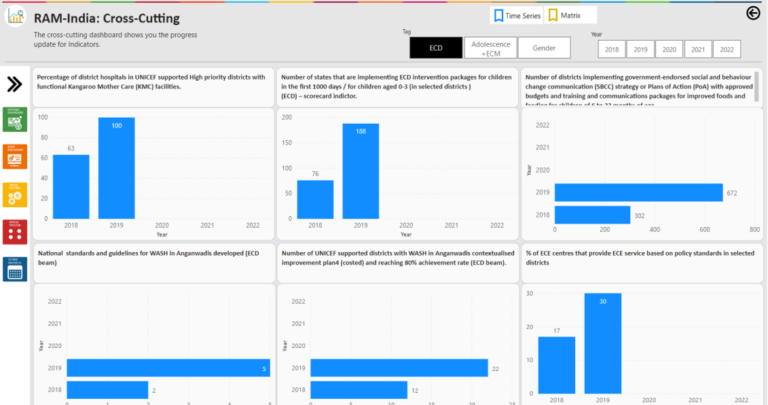
- No real-time monitoring dashboards existed to track progress on key livelihood indicators across states, districts, and blocks
- Complex reporting needs including custom reports with calculation summaries, GIS-based map views, and exports in PDF, Excel, CSV, and image formats
- Enterprise-grade security requirements including Azure AD Single Sign-On, data encryption, SQL injection prevention, and comprehensive audit trails
Velocity’s Solution
Scope of Work
Velocity delivered an end-to-end solution comprising a web-based MIS platform, an Android mobile application with offline capability, and GIS-integrated dashboards — all designed with microservice architecture for future scalability and cross-browser compatibility.
Key Features & Deliverables
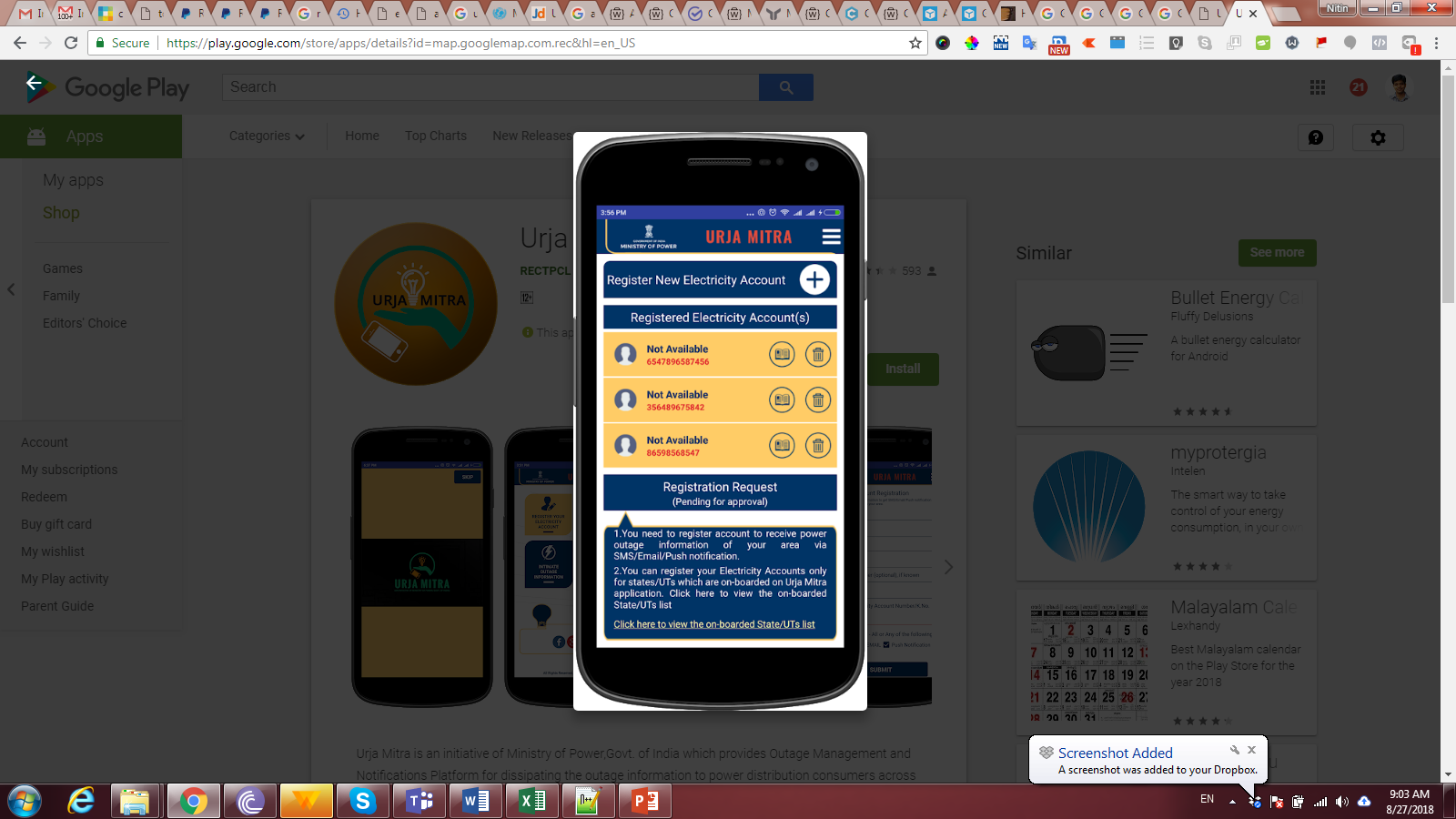
- Mobile Application (Android & iOS)
- Offline data entry capability with auto-sync when connectivity is restored
- Geo-tagging feature for mapping locations of infrastructure, households, and project sites
- Multi-media capture (photos, videos, audio, documents) with location tagging
- Bi-lingual interface supporting Punjabi, Hindi, and Gujarati
- Bulk upload of data using CSV formats
- Web-Based MIS Platform
- Graphical User Interface for viewing, saving, downloading, scheduling, and updating parameters
- Dynamic business parameter management (add/modify/delete) without programming
- Custom report builder with field selection and calculation summaries
- 360-degree search functionality across all record fields
- Data archiving with timestamps for all additions, modifications, and deletions
- GIS-Based Mapping & Visualization
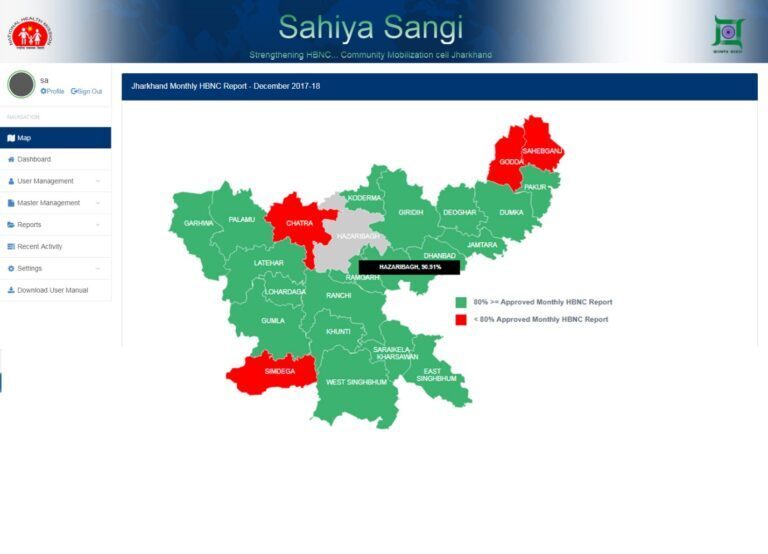
- Boundary marking of project areas on interactive maps
- Project location tagging with event creation capabilities
- Real-time geolocation maps
- Location-based analytics of project KPIs
- Before/after project output measurement based on date or location
- Infrastructure mapping (roads, buildings, toilets, solar sites, etc.)
- Advanced Reporting & Analytics
- Online reports in defined formats with time-frequency scheduling
- Chart and graphical format reports with advanced visualization tools
- Export capabilities: PDF, Excel, CSV, Image, and MS Word formats
- Performance period-specific reporting per user role requirements
- Survey Forms Engine
- Configurable surveys for specified stakeholders
- Multi-level approval mechanism for data additions, changes, and deletions
- Complete revision tracking with timestamp details at all levels
- Access Management & Security
- Five-level user hierarchy: Admin, Economic Development Unit, Regional Hub, Project Team, Village Coordinator/CRP
- Azure AD Single Sign-On integration
- Role-based view/modify/delete access controls
- SQL injection and HTML injection prevention
Data encryption for storage and retrieval
Alerts & Notifications
- SMS and email alert generation
Configurable notification rules for various system events
Cloud Deployment & Maintenance
- Cloud hosting with high availability and redundant backup setup
- Cross-browser compatibility (Firefox, Chrome, Safari, Opera, IE)
- 9-month post-deployment maintenance including stress testing
- Microservice architecture for future scalability
Technology Stack
- Microservice architecture for web platform
- Android native application development
- GIS mapping and geolocation services
- Azure AD for Single Sign-On
- Cloud hosting infrastructure (Indian data centers)
- SMS and email gateway integration
- SSL/TLS encrypted communication
- RESTful API architecture
Implementation Approach
Velocity adopted an Agile methodology with phased delivery:
Phase 1 – Requirements & Architecture (Weeks 1-2)
– Stakeholder consultations with CARE India’s Economic Development Unit, Regional Hubs, and field teams
– Finalization of form structures, dashboard indicators, user roles, and data flow architecture
– System design document and workflow diagram approval
Phase 2 – Core Development (Weeks 3-8)
– Parallel development of web MIS and Android mobile application
– GIS integration and map-based visualization development
– Survey form engine and report builder implementation
– Azure AD SSO integration and security hardening
Phase 3 – Testing & Integration (Weeks 9-10)
– Unit testing, integration testing, and security testing
– User Acceptance Testing with CARE India field staff
– Performance and stress testing for pan-India scale operations
– Cross-browser and cross-device compatibility testing
Phase 4 – Deployment & Training (Weeks 11-12)
– Cloud deployment with high availability configuration
– Administrator access handover and staff training sessions
– User manual development and system documentation
– Go-live support and initial data migration
Phase 5 – Maintenance & Support (9 months)
– Ongoing technical support and troubleshooting
– Regular patches, upgrades, and security updates
– Performance monitoring and optimization
Key Outcomes & Impact
- 50,000+ Households Digitized: Enabled systematic screening, baselining, and monthly tracking of approximately 50,000 households across three states
- Offline-First Field Operations: CRPs and Village Coordinators could collect data in areas with zero connectivity, with automatic synchronization when online
- Real-Time Program Visibility: Dynamic dashboards provided CARE India leadership with instant visibility into key livelihood indicators across all project geographies
- Multi-Language Accessibility: Bi-lingual support in Punjabi, Hindi, and Gujarati ensured comfortable adoption by grassroot-level field staff
- GIS-Powered Decision Making: Geo-tagged data and map-based analytics enabled location-specific program strategies and resource allocation
- Enterprise Security Compliance: Azure AD SSO, data encryption, and comprehensive audit trails met CARE India’s stringent data security requirements
- Scalable Architecture: Microservice-based design allowed the platform to be adapted for other CARE India projects across different geographies
Why Velocity
- Full-stack development capability covering web platform, mobile application, GIS integration, and cloud infrastructure under a single contract
- Proven expertise in offline-capable mobile applications critical for data collection in rural areas with limited connectivity
- Multi-language development experience enabling bi-lingual interfaces in regional Indian languages
- Strong security and compliance capabilities including Azure AD integration and enterprise-grade data protection
- Experience with international development organizations and understanding of complex program monitoring requirements in the livelihood sector
- Microservice architecture expertise ensuring the solution could scale and adapt to CARE India’s evolving needs across its pan-India operations