UN Women – App-Based Monitoring and Reporting System Case Study
Download MarkDownThe Challenge
UN Women is the United Nations organization dedicated to gender equality and the empowerment of women. The India Country Office works towards strengthening women’s rights by engaging with women, men, women’s networks, governments, local authorities, and civil society. Under its Strategic Note 2018-2022, UN Women focused on strengthening programme presence across seven Indian states in three core programme areas:
- Women’s Access to Energy and Entrepreneurship
- Prevention and Access to Essential Services for Ending Violence Against Women (EVAW)
- Second Chance Education and Promoting Women’s Economic Empowerment
In keeping with Results Based Management (RBM) principles, UN Women collected regular feedback from implementing partners to modify and adapt work plans based on lessons learned. A Monitoring, Evaluation and Research (MER) Plan had been developed to plan and report monitoring activities, evaluations, and research. However, the existing monitoring mechanisms faced significant limitations:
- Manual Monitoring Processes: Programme monitoring relied on paper-based field reports and manual data aggregation, creating delays between field activities and management visibility
- No Real-Time Data: There was no capability to compare output, outcome, and impact across time, geography, and partners based on real-time data to assess daily, monthly, and quarterly performance
- Limited Field Data Capture: Field-level data including beneficiary photos, geotagged locations, and programme indicator data could not be continuously captured from the field
- Disconnected Reporting: Progress reports from staff and partners were submitted through traditional channels, making it difficult to aggregate data across eight states and three programme areas
- No Offline Capability: Field workers operating in remote areas across seven states needed the ability to collect data without internet connectivity
- Fragmented Beneficiary Tracking: There was no centralized system to register and track beneficiaries across sectors, leading to potential duplicity and incomplete impact assessment
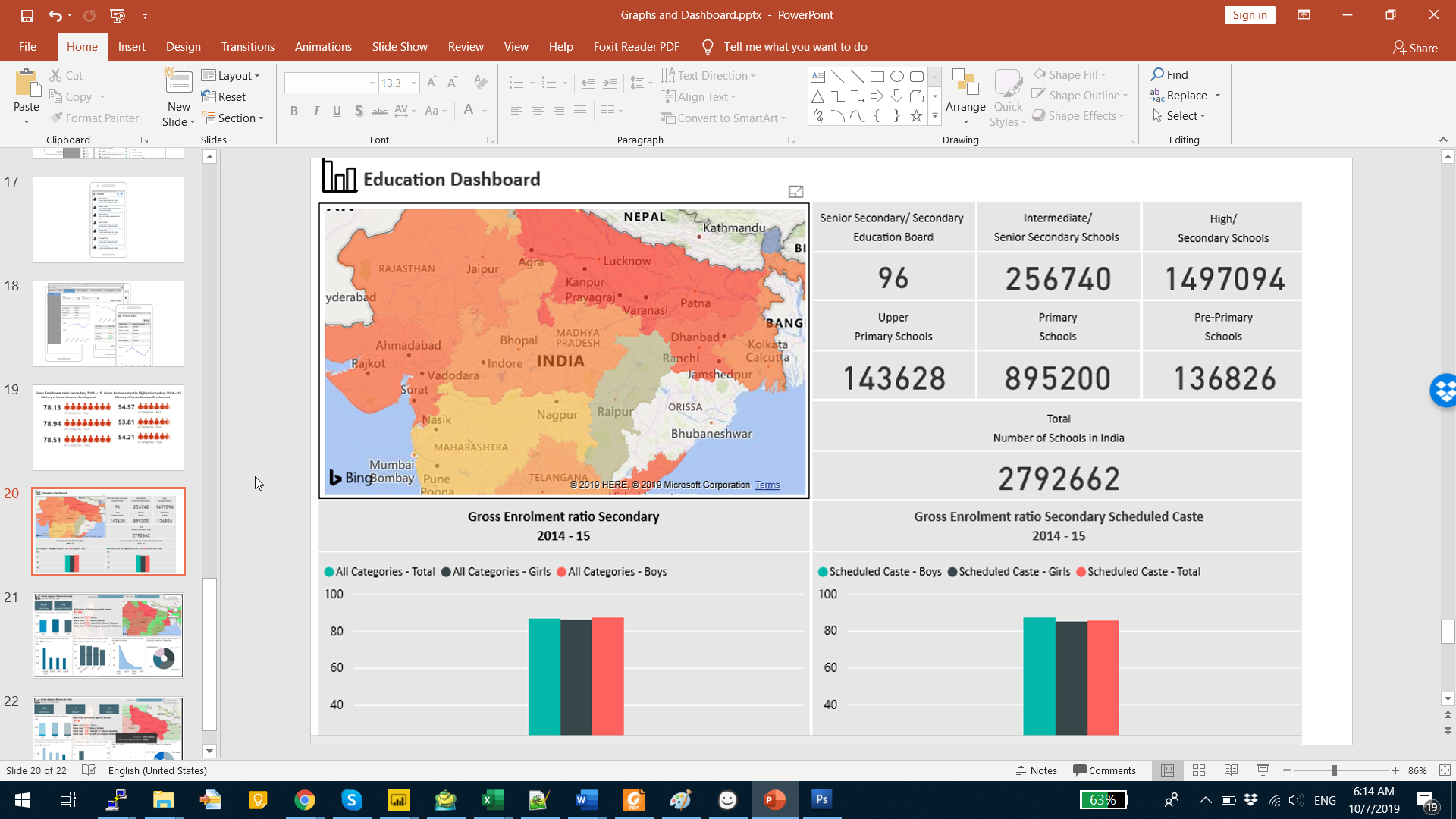
- Limited Visual Analytics: Programme data could not be visualized at the activity, output, outcome, and impact levels with geographic and partner-level segregation
- No Real-Time Presentations: Management could not use live data in board meetings or stakeholder presentations
Velocity’s Solution
Scope of Work
Velocity developed a comprehensive app-based Monitoring and Reporting System designed to systematically monitor UN Women’s programmes across all three programme areas and seven states. The solution included a mobile application for field data collection and a web-based platform with role-based access, dashboards, analytics, and reporting capabilities.
Key Features & Deliverables
Organizational Structure and Access Management
– Three-level organizational structure: Admin, Project Manager, and User profiles
– Admin can monitor any number of Project Managers; Project Managers can monitor any number of Users
– Custom role creation with configurable access to functionalities
– Role-based views ensuring data access appropriate to each level
Impact Module
– Comprehensive tracking and visualization of all Activities, Outputs, Outcomes, and Impact for each programme
– Progress measurement and impact showcase across multiple programmes on a single page
– Alignment with UN Women’s Results Management System (RMS) and Strategic Note 2018-2022
Project and Activity Management
– Admin capability to create day-to-day activities for monitoring and tracking
– Activity creation linked to impact measurement framework
– Programme-wise activity organization
Beneficiary Module
– Centralized beneficiary registration system across all sectors
– Beneficiary tagging to activities and surveys for comprehensive benefit tracking
– Cross-sector beneficiary de-duplication
– Geographic tagging (State, Mandal, Village) for beneficiary search and organization
News and Updates
– Social media-style updates from the field across all programmes
– Admin sees updates from all programmes with single-programme filter capability
– Project Managers see updates from their assigned programmes
– Users see updates from their specific programme
– Each update includes programme name, activity, user name, timestamp, and geo-location
Platform for Discussion
– Internal discussion forum for field issue resolution
– Users can raise issues and seek solutions from colleagues
– Collaborative problem-solving across geographic boundaries
Task Management
– Project Manager capability to assign tasks to field users
– Time accountability tracking
– Task completion monitoring
Surveys
– Custom survey creation by Project Managers
– Real-time survey deployment to field users
– Automated result compilation and analysis
Programme Analytics
– Automated real-time analytics for activity status monitoring
– Visual analysis at activity, output, outcome, and impact levels
– Geographic and partner-level data segregation
– Easily downloadable data listings
Visual Library
– Photo and media uploads from the field accessible to Admins and Project Managers
– Collage view with filter by individual uploader
– Direct field visual content for programme documentation
Financial Reports
– Budget allocation per programme at creation
– Real-time expenditure tracking against allocated budgets
– Budget overrun alerts and monitoring
Comprehensive Reports
– Date-range based programme reports
– Admin-level downloadable reports with customizable parameters
Real-Time Presentations
– Live web pages usable in board meetings and stakeholder presentations
– Dynamic data in presentations without manual report preparation
Custom Reports
– Drag-and-drop report builder for quarterly, half-yearly, or custom period reports
– Flexible graph and chart placement
Data Verification
– Photo/document triangulation for field data credibility verification
– Project Manager review and verification workflow
– Credible data re-upload requests
Holistic Data Page
– Calendar view of monthly tasks and assignments
– Work completion tracking and gap identification
– Project Manager capability to request data upload for specific days
Notification Management
– Custom notification creation by Project Managers and Admins
– Field alerts for issue focus or special reporting
– Automated programme notifications
Ticket System
– Issue tracking between organization and development team
– Ticket creation, tracking, and interaction workflow
Worldview
– Personalized view pages for Admins, Project Managers, and Users
– Progress and upload visibility across assigned programmes
Privacy Settings
– User-configurable privacy for posts and activity photos
Additional Features
– Calendar integration with Outlook for partner reporting, monitoring visits, and planned activities
– Alert system to Senior Management, M&E, and Programme Divisions for reports due, monitoring visits, and evaluations
– Standard report generation templates
Technology Stack
- Mobile Application: Android-compatible with web application capabilities
- Backend: ASP.NET or higher version
- Database: RDBMS (relational database) backend
- Compatibility: IE, Chrome, Mozilla browser versions 4.0+
- Standards: W3C Web Content Accessibility Guidelines 1.0
- Authentication: UN Women intranet authentication database integration
- File Support: MS Office documents, PDF, JPEG upload and conversion
- Design: Consistent theme with UN Women branding throughout
- Offline Capability: Data collection without internet connectivity
Implementation Approach
The project followed a structured 12-month delivery plan:
Phase 1 – Inception (November 2019)
– Inception report development
– Alignment with UN Women’s RMS, Strategic Note, and Annual Work Plans
– Detailed requirements mapping to programme frameworks
– Deliverable: Inception Report
Phase 2 – App Development (November – December 2019)
– Mobile application development with all core features
– Web-based monitoring and reporting system development
– Integration with UN Women authentication systems
– Dashboard and analytics engine development
– Deliverable: App-based project monitoring and reporting system
Phase 3 – Documentation (December 2019)
– Comprehensive user manual development
– System architecture documentation
– Admin and user guides
– Deliverable: User-manual for the app-based system
Phase 4 – Training (January 2020)
– UN Women staff training on system usage
– Implementing partner training
– Admin, Project Manager, and User-level training sessions
– Deliverable: UN Women Staff and partner training
Phase 5 – Support and Maintenance (Through November 2020)
– Troubleshooting assistance
– System amendments and enhancements based on field feedback
– Ongoing technical support
– Deliverable: One-year support and maintenance
Key Outcomes & Impact
- Real-Time Programme Monitoring: UN Women India gained real-time visibility into programme implementation across seven states and three programme areas, transforming monitoring from a periodic, manual exercise to a continuous, data-driven process
- Evidence-Based Decision Making: Automated analytics at the activity, output, outcome, and impact levels enabled programme teams to identify critical gaps, assess performance, and implement corrective strategies based on actual data
- Strengthened Accountability: Geotagged field data, photo verification, and beneficiary tracking provided robust evidence of programme delivery, strengthening accountability to donors and the UN Women Corporate Results Management System
- Empowered Field Workers: The mobile application enabled field staff and implementing partners across seven states to continuously capture and share programme data, even in areas without internet connectivity
- Centralized Beneficiary Management: The cross-sector beneficiary module eliminated duplication and provided a comprehensive view of benefits reaching each individual across all programmes
- Enhanced Stakeholder Communication: Real-time presentation capabilities and custom report generation enabled compelling, data-driven communication with senior management, government stakeholders, and international partners
- Collaborative Problem Solving: The discussion platform and news/updates features created a connected community of practice across geographically dispersed programme teams
- Financial Transparency: Real-time budget tracking and expenditure monitoring provided programme managers with immediate visibility into resource utilization
Why Velocity
Velocity was selected through UN Women’s competitive procurement process based on:
- UN Agency Track Record: Demonstrated experience working with multiple UN agencies (UNICEF, UNDP, UNFPA) with deep understanding of UN procurement standards, security requirements, and organizational culture
- Programme Monitoring System Expertise: Proven experience developing comprehensive monitoring and evaluation systems, MIS platforms, and data collection tools for development programmes
- Mobile-First Development for Field Conditions: Established capability in building offline-capable mobile applications for data collection in remote areas across Indian states, directly relevant to UN Women’s seven-state operation
- Results-Based Management Understanding: Sound understanding of RBM principles, log frames, and programme monitoring frameworks used by UN agencies
- Multi-State Deployment Capability: Track record of deploying technology solutions across multiple Indian states, understanding varied implementation contexts and infrastructure challenges
- Development Sector Domain Knowledge: Strong understanding of gender equality, women’s empowerment, and development sector programme structures, enabling meaningful engagement with programme teams beyond pure technical delivery
- Comprehensive Team: Team structure including experienced team leads (10+ years), mid-level consultants (5+ years), and specialized developers, meeting UN Women’s staffing requirements
- Post-Deployment Commitment: One-year troubleshooting and amendment support ensuring the system evolved with programme needs through the Strategic Note period